When a parent or spouse living alone can no longer manage safely through the night, 24 hour senior care for seniors living alone becomes the question that decides everything else — and the real answer depends on who is actually present when the sun goes down.
- Essential Living Adult Family Home caps at six residents under Washington State licensing, giving seniors living alone real overnight supervision. Buy.
- In-home 24-hour care usually needs two to three rotating caregivers to legally cover a full day and night. Consider.
- Drop-in check-in visits leave hours of the day uncovered and do not count as true 24 hour senior care. Skip.
- Sundowning and nighttime wandering need staff awake and present overnight, not an on-call phone line. Buy for memory needs.
- Large assisted living communities often trade one-on-one attention for amenities a solo senior may not use. Consider carefully.
Why This Matters
A senior living alone can hide decline for months. Missed meals, a fall nobody sees, wandering out a door at 2 a.m. — these things happen quietly until they don't. Families searching for 24 hour senior care for seniors living alone in 2026 are usually reacting to one specific event: a fall, a hospital discharge, or a memory change that made "checking in daily" feel dangerously thin.
The phrase "24-hour care" gets used loosely. A service that visits four hours a day and calls it coverage is not the same as staff who are awake and present through the night. That distinction is the whole guide.
Who This Is For
This is written for adult children and spouses in the Salmon Creek and Vancouver, WA area who are watching a loved one struggle to live independently and are trying to figure out what real around-the-clock support looks like. If you're comparing options for the first time, the how to choose an adult family home in Vancouver, WA guide walks through the licensing and staffing questions worth asking before you tour anywhere.
You're likely here because a parent has fallen once already, is showing early memory changes, just left the hospital, or simply shouldn't be alone through another night. None of those situations call for guesswork.
What to Look for in 24-Hour Care for a Senior Living Alone
Awake, Present Overnight Staff
Ask directly: is someone awake and in the building at 3 a.m., or is this an on-call arrangement? Overnight falls and confusion episodes happen most in the early morning hours, and a phone that rings after the fact doesn't prevent anything.
Built-In Fall and Mobility Support
Care that's actually 24 hours should have someone physically nearby for transfers, bathroom trips, and the walk from bed to chair. This matters most for seniors who've already had one fall — the second one is usually worse.
Dependable Medication Routines
A senior living alone often manages their own pillbox with no one confirming the routine held. Having staff coordinate medication timing daily gives families one less thing to worry about and keeps the day predictable for the resident.
Memory and Dementia-Safe Environment
If memory changes are part of the picture, ask how the setting handles sundowning and nighttime wandering specifically — not memory care in general terms. Evening agitation and exit-seeking behavior need a plan, not just a locked door.
Real Daily Living Assistance
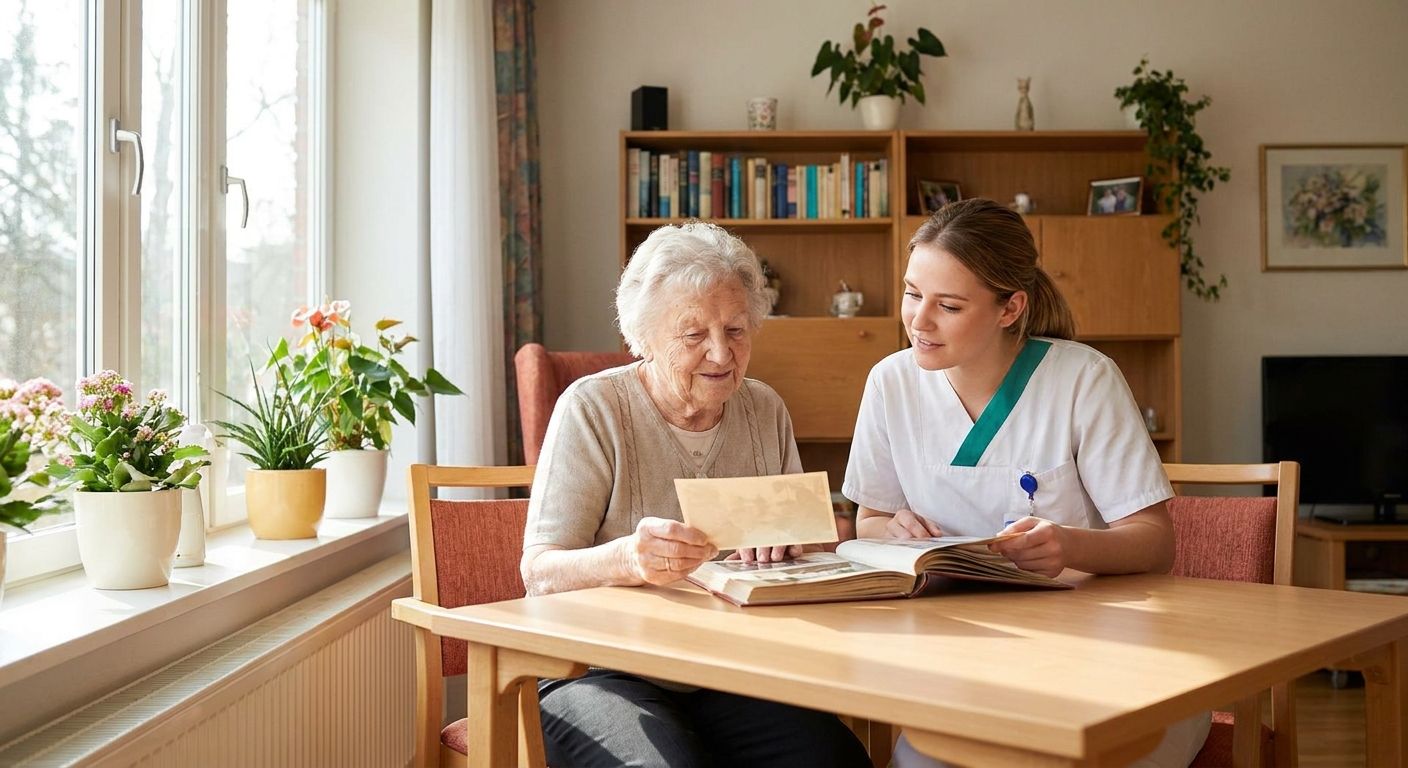
Meals, bathing, dressing, and hygiene support should be part of the daily rhythm, not an add-on service billed separately. A senior living alone often skips meals or wears the same clothes for days without anyone noticing — 24-hour care should catch that automatically.
Consistent Family Communication
You should be able to reach a real person and get a real answer about how your loved one's day went. Care that happens in a black box, with updates only when something goes wrong, isn't peace of mind — it's just delayed worry.
“If a caregiver needs a night off, who covers the next eight hours? That question decides whether 24-hour care actually holds up.”
Top Picks for 24-Hour Care Arrangements
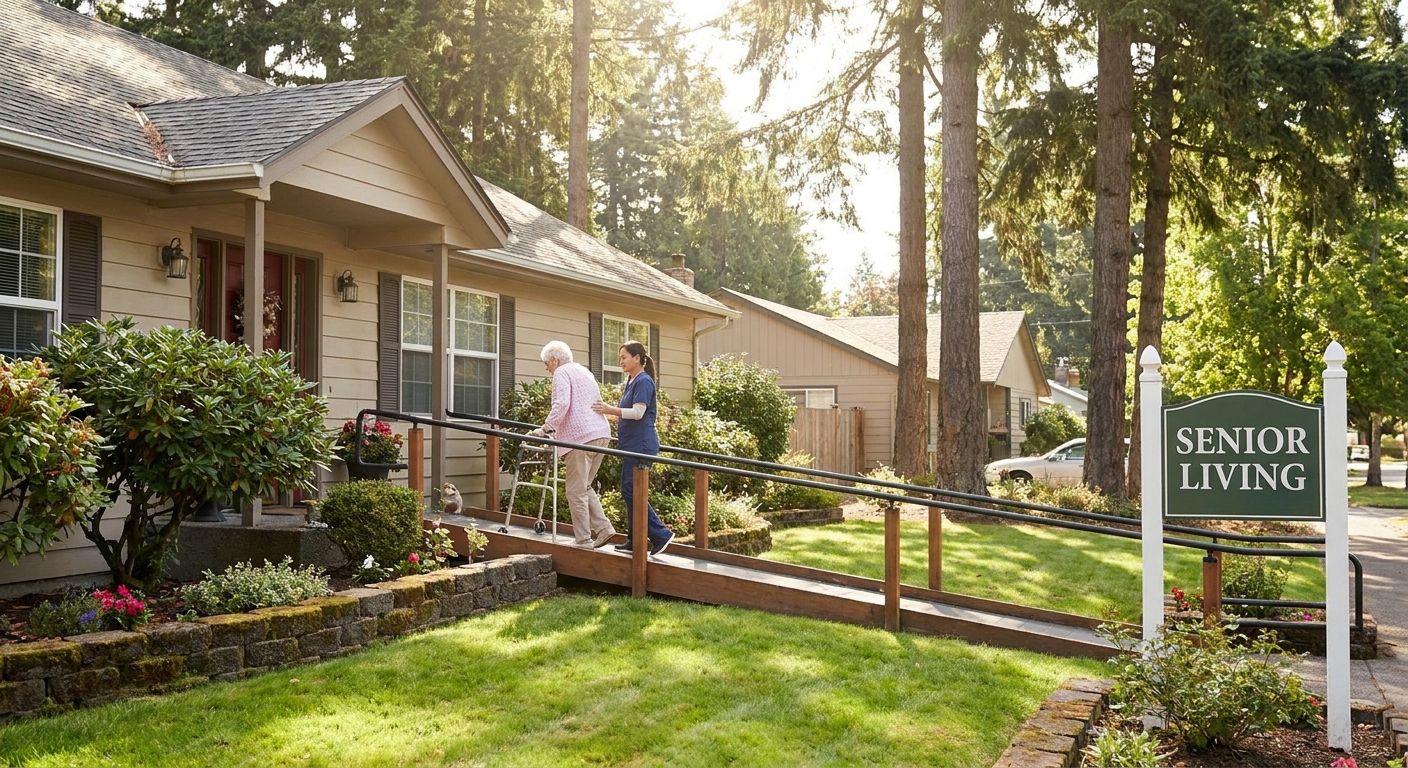
Essential Living Adult Family Home — the family-style pick. Washington State licenses adult family homes for up to six residents, which means staff know each person's routine by name, not by room number. For a senior living alone who needs consistent overnight presence plus daily assistance, this is the setup built for exactly that. Buy.
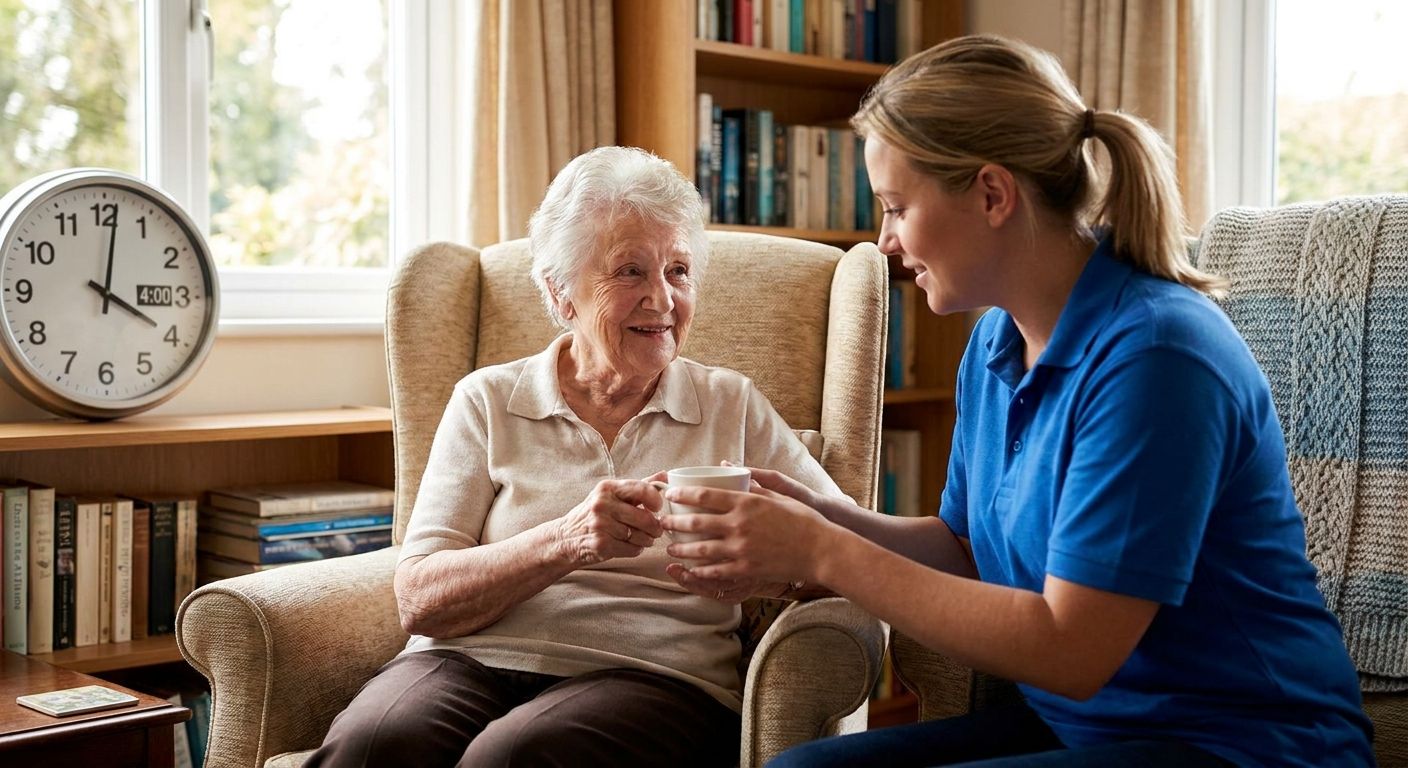
In-home 24-hour caregiver — the stay-in-the-house pick. Covering a full 24 hours at home takes at least two, usually three, caregivers rotating shifts, since one person can't safely work around the clock every day. Good for a senior who's attached to their home and has moderate needs. Consider — confirm the backup plan for callouts before signing anything.
Recovery-focused 24-hour care after a hospital stay — the short-term bridge pick. A hospital discharge often comes with new mobility limits or a temporary need for closer supervision. 24-hour senior care for post-hospital recovery is built for this window — supervised recovery until strength and confidence return. Buy for anyone discharged with new restrictions.
Large assisted living community — the amenity-heavy pick. These communities often house dozens of residents, and staffing ratios are spread across the whole building rather than concentrated on a handful of people. Fine for a senior who's mostly independent and wants activities; risky for someone who needs to be watched closely overnight. Consider only if daily needs are light.
Skilled nursing facility — the medical-intensive pick. Built for residents needing licensed nursing care around the clock for a serious medical condition, not general daily supervision. Overkill — and often more clinical than a family wants — for a senior whose main issue is living alone safely. Skip unless acute medical needs are present.
See daily life at Essential Living
Learn how a six-resident home covers overnight care and daily routines.
What to Avoid
- Check-in or drop-in visit services billed as "24 hour care." A few hours a day, however well-intentioned, leaves the overnight hours — statistically the riskiest for falls and wandering — completely uncovered.
- Private caregivers with no backup plan. If the one caregiver gets sick or takes a day off, who shows up? Ask this before you hire anyone, not after a gap in coverage.
- Facilities that market "memory care" without a secured, dementia-specific environment. A locked door isn't the same as staff trained for sundowning behavior and nighttime wandering.
Verdict Comparison Table
| Option | Awake Overnight Staff | Memory/Dementia Safety | Medication Routine | Family Involvement |
|---|---|---|---|---|
| Essential Living Adult Family Home | Yes | High | Coordinated daily | High |
| In-Home 24-Hour Caregiver | Depends on shift coverage | Moderate | Coordinated if staffed consistently | High |
| Post-Hospital Recovery Care | Yes | Moderate | Coordinated daily | High |
| Large Assisted Living Community | Partial | Varies by wing | Coordinated, less individualized | Moderate |
| Skilled Nursing Facility | Yes | Moderate to high | Nurse-managed | Moderate |
FAQ
What is 24 hour senior care for seniors living alone?
It's a care arrangement where someone is present and awake around the clock, not just checking in periodically, to support a senior who can no longer safely manage alone. In 2026, this ranges from in-home caregiver shifts to a staffed adult family home.
Is an adult family home better than in-home care for someone living alone?
An adult family home typically offers steadier overnight coverage because staff live the schedule daily, while in-home care depends on caregiver reliability and backup coverage. Essential Living Adult Family Home, for example, is licensed for up to six residents so supervision doesn't get spread thin.
How is memory care different in an adult family home?
Memory care in a small adult family home means staff know a resident's specific patterns, including evening agitation or wandering tendencies, rather than following a generic protocol. That familiarity matters most during sundowning hours in the early evening.
Does 24-hour care mean a caregiver is always awake?
It should, but not every service that uses the term actually staffs someone awake overnight. Confirm directly whether overnight staff are awake and present, not on an on-call basis, before choosing a provider.
What happens to medication routines when a senior lives alone?
Without support, a senior living alone manages their own schedule with no one confirming it held day to day. A dependable medication routine, coordinated by staff, keeps the day predictable and gives families peace of mind.
Can 24-hour care help after a hospital stay?
Yes, post-hospital recovery is one of the most common reasons families seek 24-hour supervision, especially with new mobility restrictions. Supervised recovery care bridges the gap until a senior regains strength and confidence.
How much does 24 hour senior care cost in Vancouver, WA?
Cost varies by the type of care and the level of daily assistance needed, so it's worth checking current rates directly with the provider you're considering. Contact Essential Living Adult Family Home directly for current pricing details.
Is respite care the same as 24-hour senior care?
No, respite care is short-term relief for a family caregiver, while 24-hour senior care is an ongoing daily arrangement. Respite care can be a useful trial run before committing to longer-term 24-hour support.
One Last Thing
Washington State's six-resident cap on adult family homes isn't a technicality — it's the reason staff can actually know a resident's routine instead of managing a caseload. That single regulatory detail is often the difference between a senior who's supervised and a senior who's just accounted for.